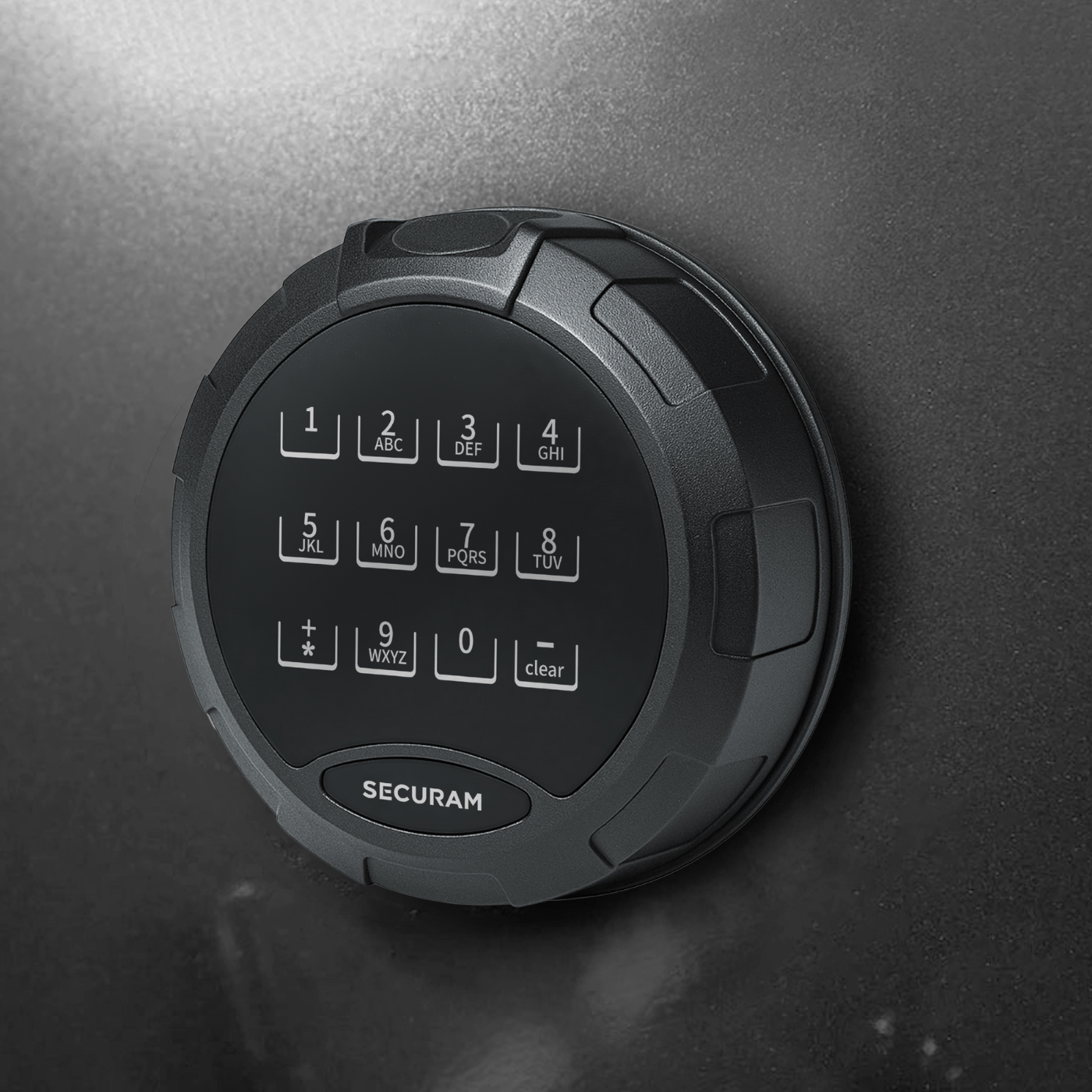
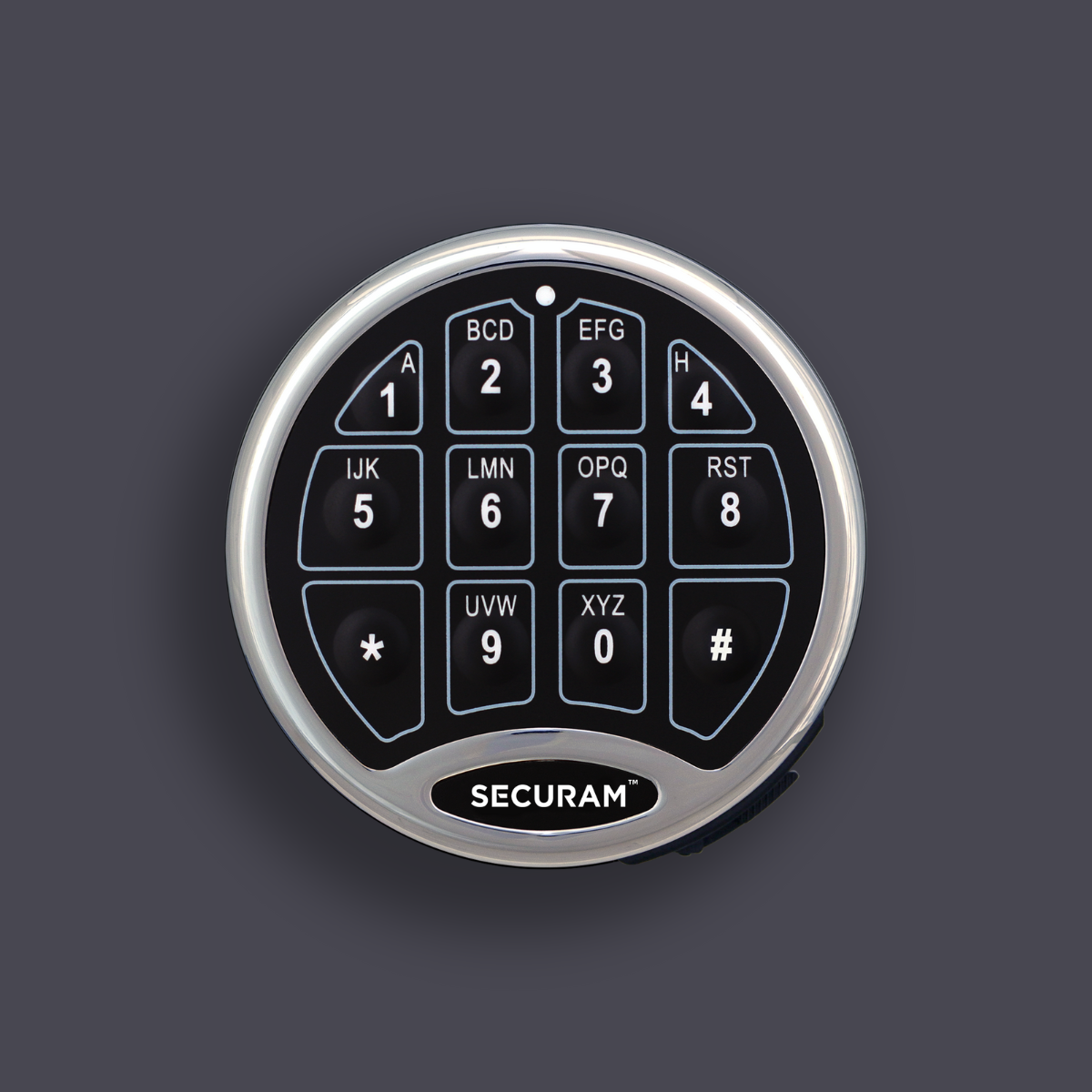
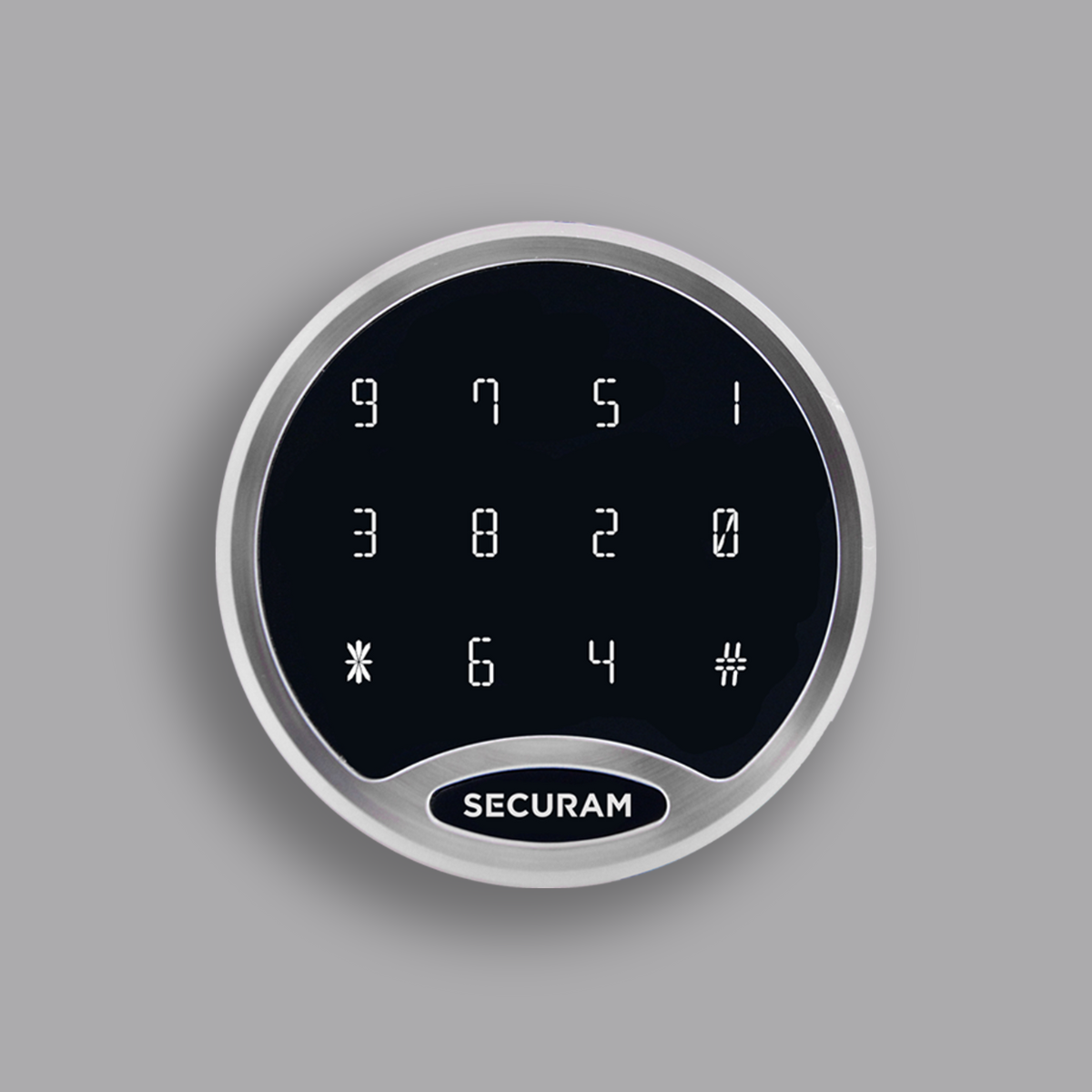
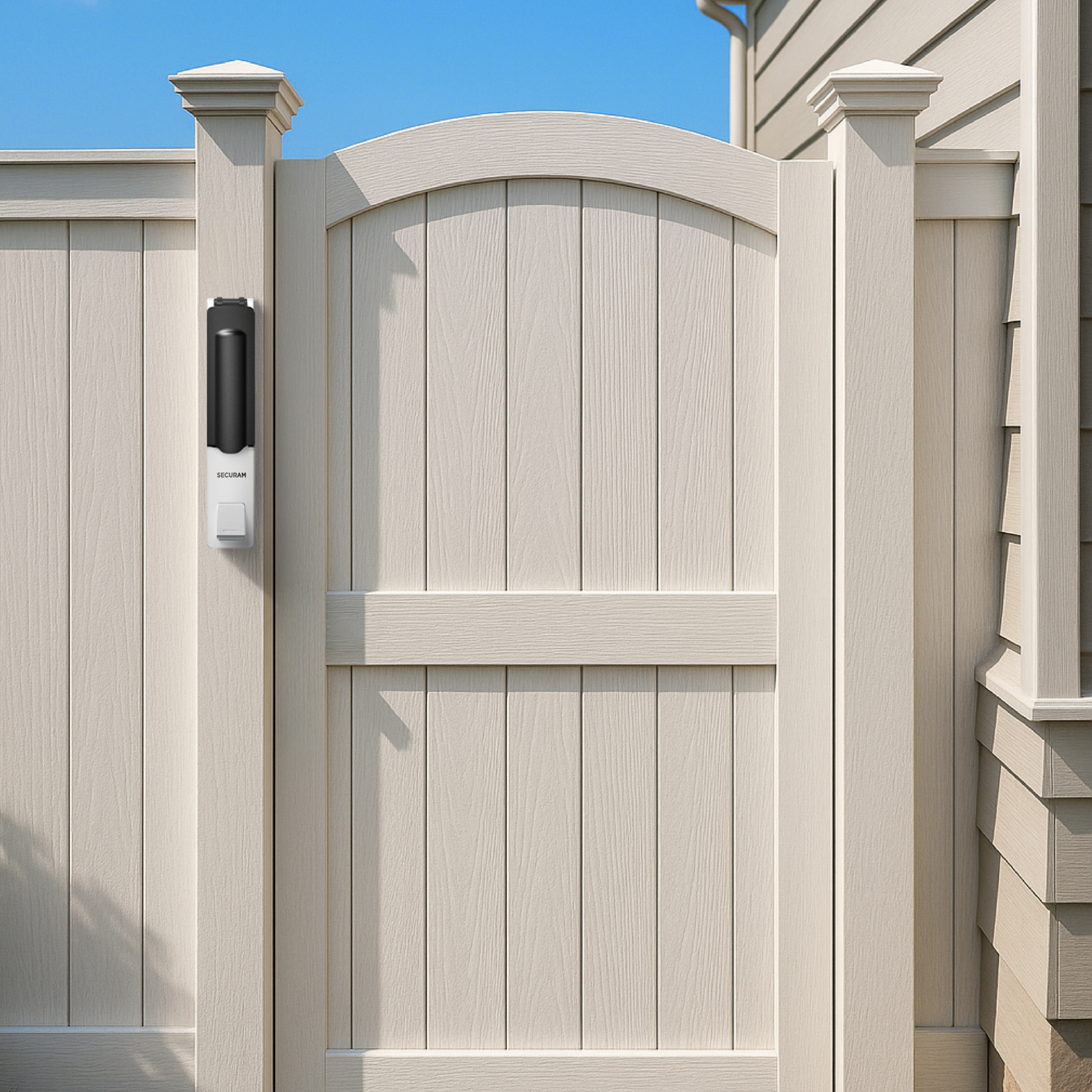
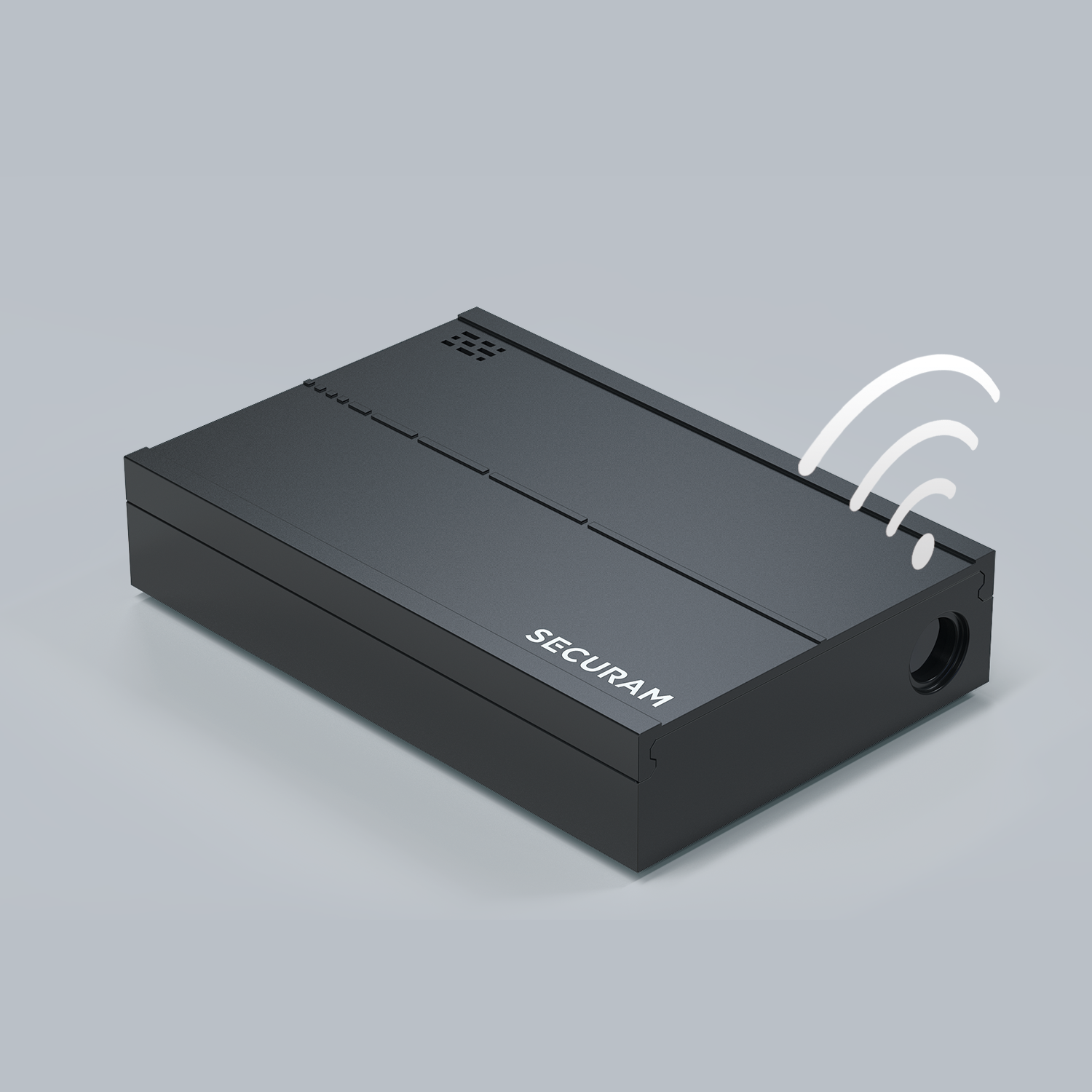
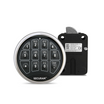
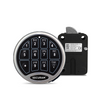
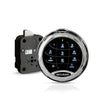
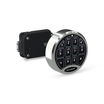




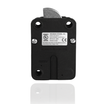
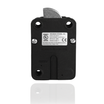
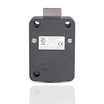
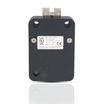




For decades, safe locks were designed for isolation. Mechanical dials and electronic keypads protected assets inside reinforced steel. Reliable. Durable. Self-contained.
For a long time, isolation was considered security. But the environment around those assets has changed.
Today, protection is not just about resisting physical entry. It is about visibility, accountability, and controlled access. Security has evolved from static protection to active oversight.
That shift is redefining what a safe lock should do.
From Mechanical Strength to Digital Awareness
Safe lock technology has progressed through clear stages:
– Mechanical combination systems
– Electronic keypad locks
– Direct drive locking mechanisms
– Wi-Fi-enabled connected control
Each stage improved usability and precision. Connectivity, however, introduced something fundamentally different — awareness.
A connected safe lock allows you to verify status without being physically present. It creates a record of activity. It enables controlled distribution of access.
Security becomes measurable instead of assumed.
That distinction matters.
Why Interior Asset Monitoring Is Often Overlooked
Most residential security conversations focus on perimeter entry points — front doors, garage doors, gates.
But the assets inside the home carry their own level of responsibility.
Firearms. Important documents. Valuables. Controlled materials.
A connected safe lock extends security beyond the perimeter by providing:
– Remote lock and unlock capability
– Real-time status checks
– Activity history logging
– Multi-user management
– One-time or scheduled access codes
These capabilities reduce uncertainty and increase oversight.
And uncertainty is one of the most common weaknesses in residential security.

What Makes a Wi-Fi Safe Lock Different
Connectivity alone is not innovation. Architecture determines whether a connected device strengthens or weakens protection.
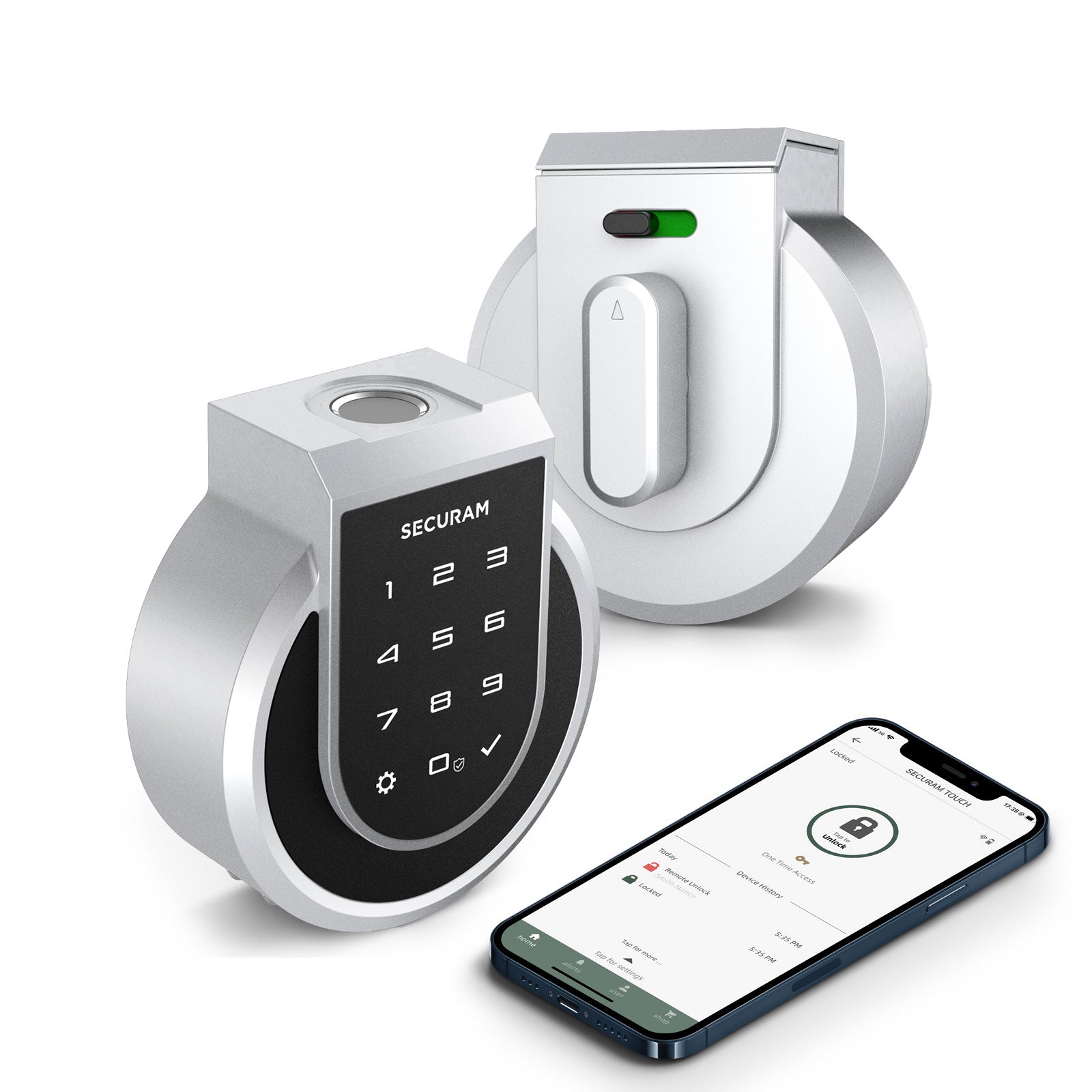
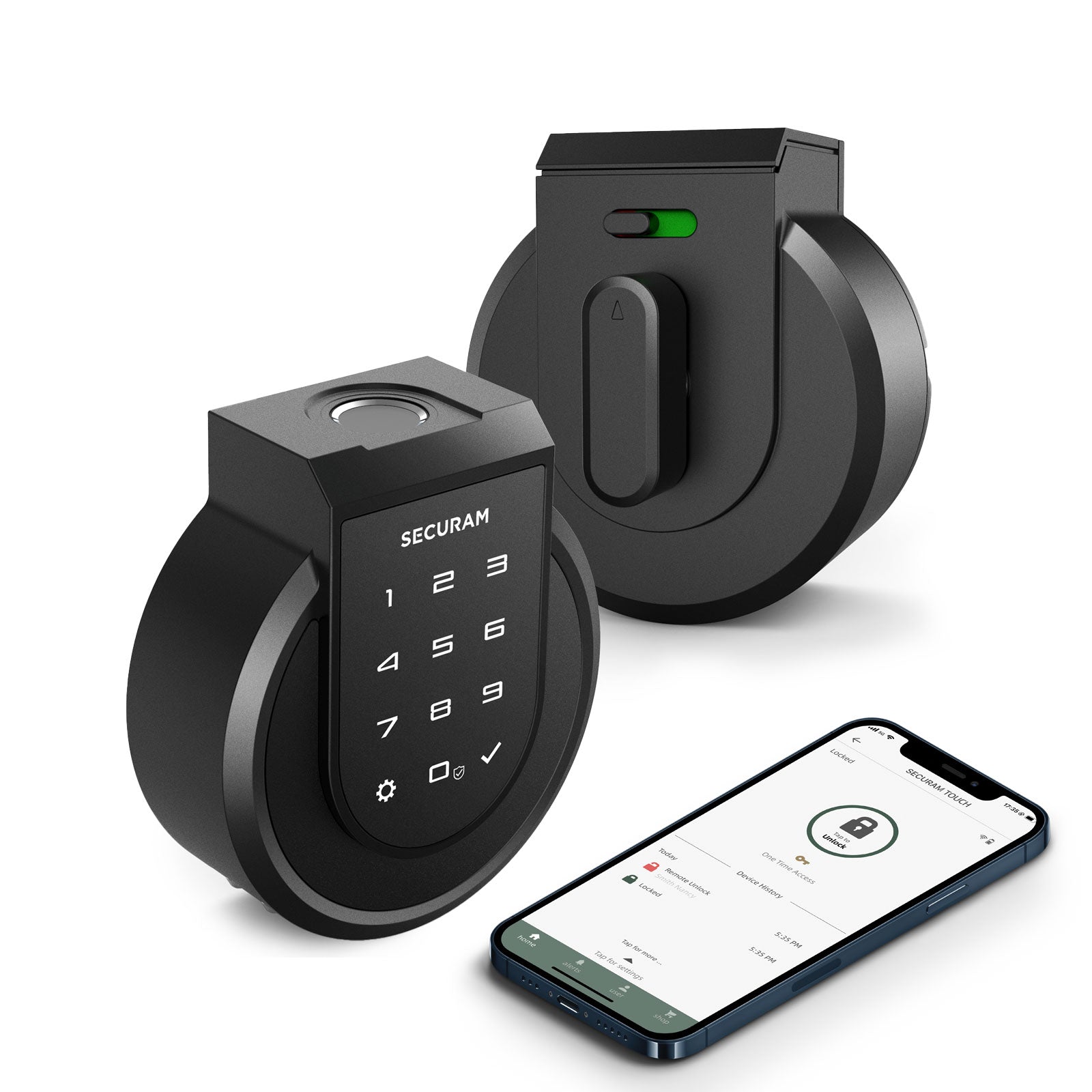
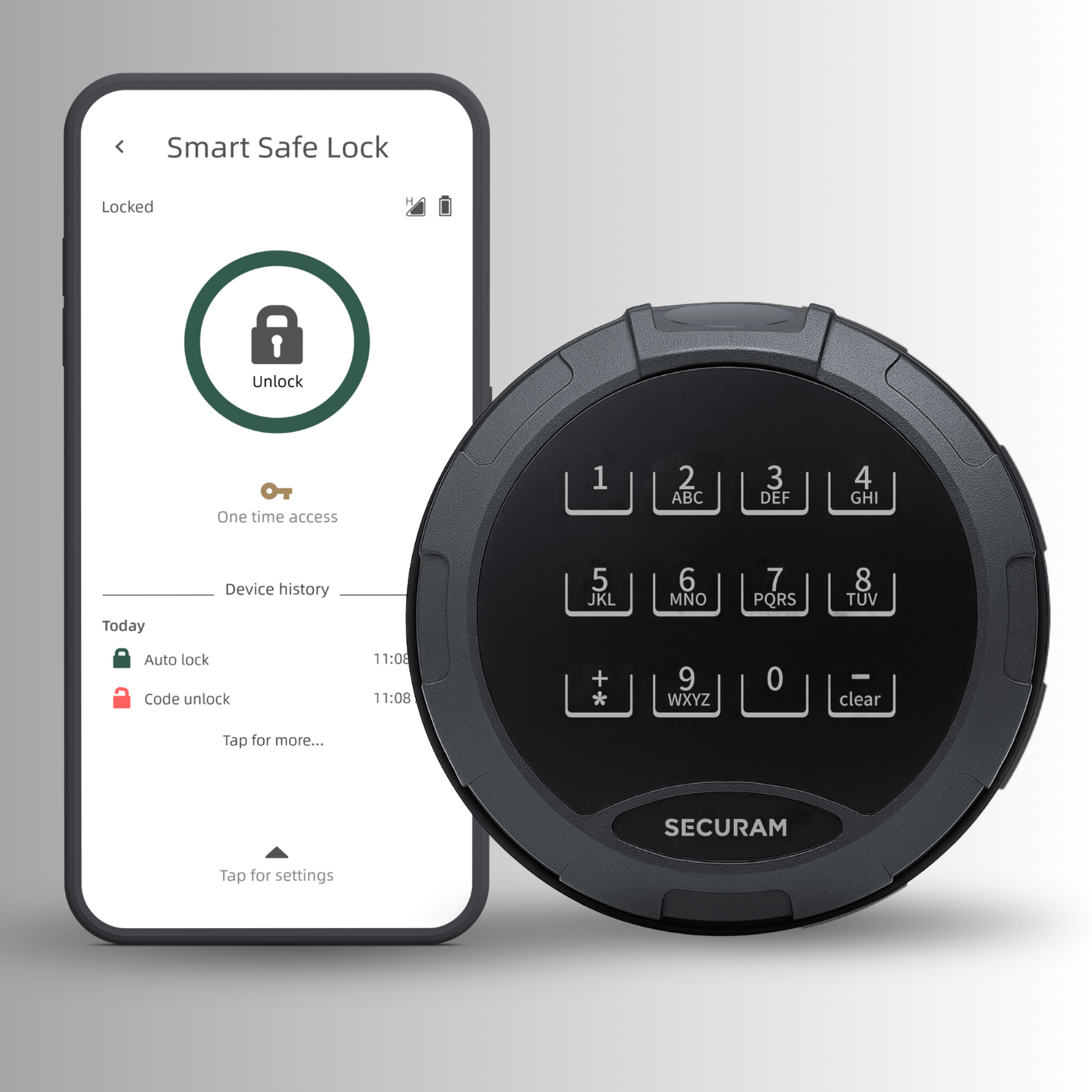
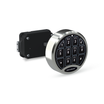
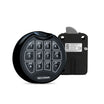
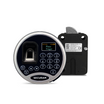
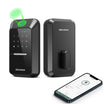
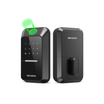
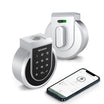
The SafeLogic Wi-Fi Safe Lock from SECURAM Systems, Inc. was built on commercial safe lock engineering principles — the same standards applied in banking and high-security applications.
That foundation influences the system design:
– Encrypted Wi-Fi communication
– Secure firmware structure
– Direct integration without additional hub dependency
– Stable locking performance independent of app control
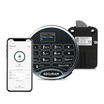
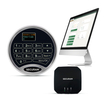
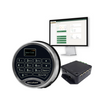
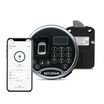
Direct Wi-Fi capability eliminates extra hardware layers while maintaining full management through the SECURAM Guard App.
Connectivity should reinforce protection, not complicate it.
Control as a Security Standard
Traditional safe locks relied solely on physical code control.
Modern connected systems introduce digital accountability:
– Audit trail visibility
– Remote verification
– Immediate code management
– Controlled access distribution
This aligns asset protection with how other critical systems are managed — through monitored, traceable access rather than assumption.
Connected control does not replace mechanical strength.
It enhances it.
Beyond Convenience
Connected safe technology is sometimes framed as a convenience feature.
That framing misses the point.
The value lies in responsible access management.
For firearm owners, it supports accountable storage.
For businesses, it provides inventory oversight.
For shared environments, it clarifies who accessed what and when.
Increased visibility reduces risk exposure.
Reduced risk strengthens confidence.
The Direction of Asset Protection
Security evolves in response to risk, not trends.
As homes and businesses adopt more connected systems, isolated protection becomes less practical. Layered security — perimeter, interior, monitored — is becoming the new standard.
Connected safe locks represent the interior layer of that structure.
Not as a replacement for physical resilience.
But as an extension of it.
Because modern protection is no longer defined only by resistance. It is defined by control.